

The wellbeing of dogs and cats does not depend only on physical health. Their behaviour and emotional state also play a key role in quality of life.
Quality of life is not based solely on physical health; mental wellbeing is also essential for dogs and cats.
Veterinary behaviour medicine (ethology) is the branch of veterinary medicine that studies and diagnoses behavioural disorders, distinguishing between feline behaviour medicine and canine behaviour medicine.
In many cases, behavioural problems are the result of different factors, including the environment of the dog or cat and their learning history. Common examples include changes in routine, the arrival of a new family member (another dog or cat, a baby, etc.), a house move, or the loss of a family member.
Genetics can also predispose animals to certain behaviours, although this is usually linked to early socialisation and the type of training and education received during growth and adulthood.
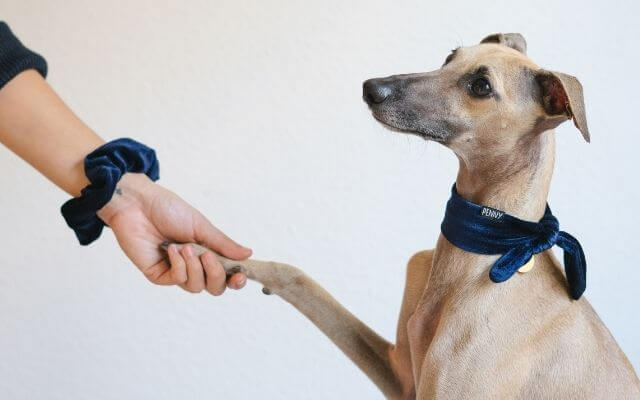
In this field, the veterinarian works closely with the family to identify the cause of the problem and propose the necessary changes to help restore calm and balance at home for the dog or cat.
Some of the reasons why a behaviour consultation may be recommended include:

We assess each case carefully, listening to the family and explaining clearly what is happening and how to address it step by step.
Your privacy settings
Manage Consent Preferences
Necessary
Analytics
Embedded Videos
Google Fonts
Marketing
Facebook Advanced Matching
Facebook CAPI